


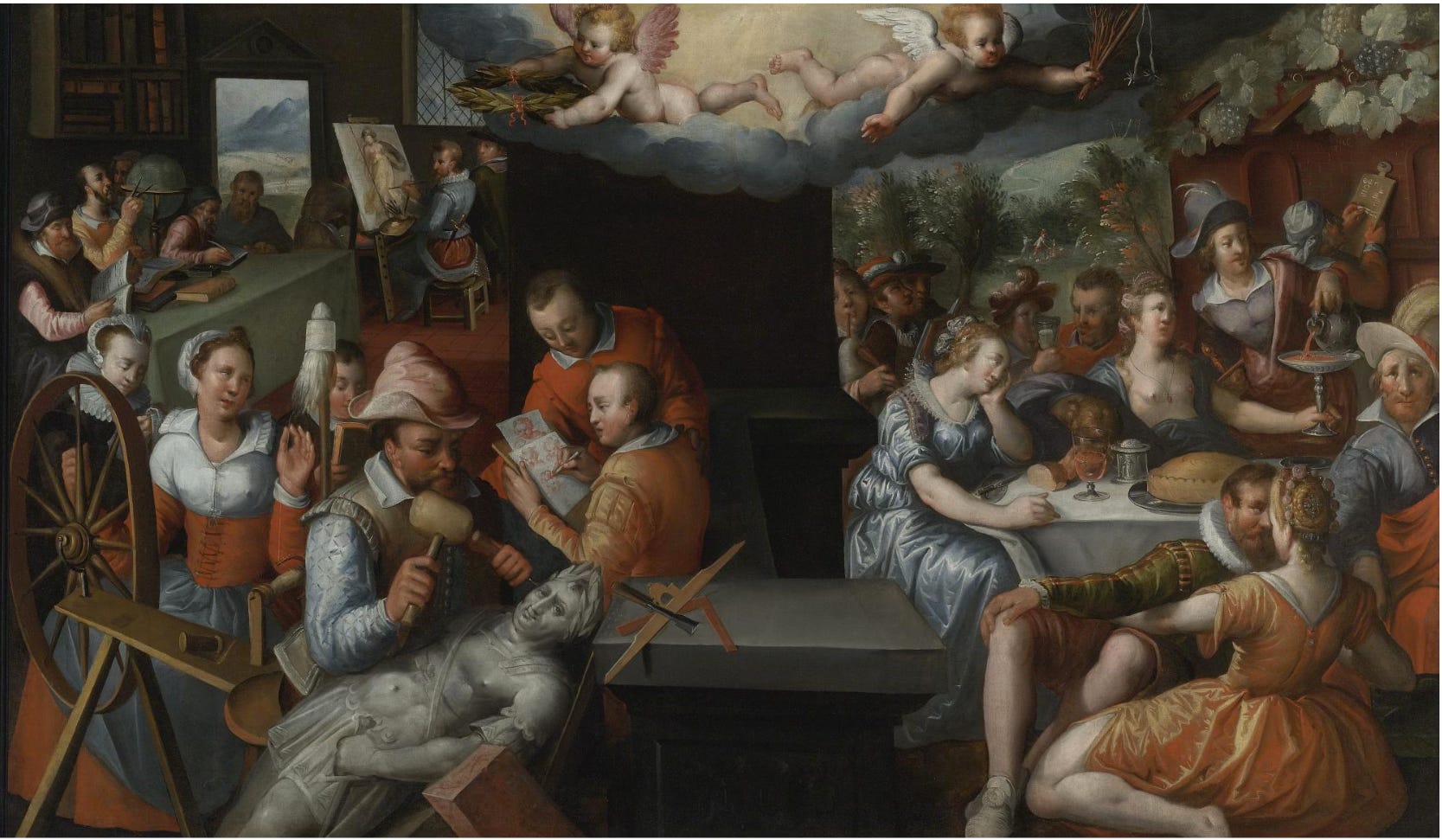
What does the public think about the distinction between wealth creation and wealth extraction? Do they view certain business models as inherently ‘creative’ or ‘extractive’? We carried out nationally representative polling with Opinium in January 2026 to find out, asking people for their views about eight fictional businesses.
The results show that, while there are a mixture of predictable and more surprising variations in attitudes along political and demographic lines, overall there is a clear sense that the British public are strongly opposed to business models that are seen as extractive. Particular anger is reserved for business models that are understood to exploit consumers, workers or society more broadly, including those that avoid tax or rip off consumers. There are more mixed views about businesses that cut costs by squeezing staff or suppliers. However, there is strong support for businesses that do well by creating wealth through innovation and investment in R&D.
To ensure that the polling questions were accessible and interpretable, we opted to use simplified examples of ‘creative’ and ‘extractive’ business models and practices, and we recognise that real life is more nuanced and complicated than those examples might suggest. This piece of attitudinal research is an exercise in exploring where the instincts of the public lie; more detailed policy work is needed to enable the development of a clear conceptual distinction between wealth creation and wealth extraction.
However, we believe that these findings provide policymakers with a clear mandate to take action to support genuine wealth creation at the same time as cracking down on examples of wealth extraction and exploitative business models. Further research is needed to gauge levels of support for specific policy options. We will be doing much more work on wealth creation and extraction over the coming months, looking in detail at particular aspects of the issue and at a range of potential policy responses.
You can read the report online or as a PDF. It was also covered in LabourList this morning. Please help us by sharing the report here on Substack, or on LinkedIn, Bluesky, Twitter/X, Facebook or Instagram. Thank you!
THE EIGHT FICTIONAL BUSINESSES
Tocrad has developed a new type of hairdryer that is quieter, cheaper and more efficient than its rivals and has gone on to sell millions of them
Hydrome has the regional monopoly to provide water to people living in the East of England, and has been able to use its position to increase customer bills and borrow large amounts of money
Corazam has become the biggest online retailer for electronic goods and is able to use its dominant position in the market to drive down the prices it pays to its suppliers
Artizem has spent millions developing a new drug to treat Alzheimer’s and has negotiated a contract to sell it to the NHS
Cronosphere has bought up 50 struggling accountancy businesses and has reduced their costs through a major round of redundancies
Tixboss has developed an AI tool that allows it to buy up concert tickets in bulk as soon as they are released and sell them onto fans at a big markup
Credum has identified a loophole that allows football clubs to reduce their tax bills by claiming for tax credits intended for research, and is selling advice on how to exploit it to those clubs
Finawhizz has reduced its costs by restructuring its operations so that some of its employees are reclassified as self-employed workers and are not liable for employers’ national insurance
UPCOMING BOOK ALERT
I’ve written a book about fairness - what it means, why we need it, and how to get it - which will be coming out in September. It will be on sale for only £12.99, and Waterstones are running a 25% promotion this week, so grab a bargain now and pre-order a copy! Blurb below. The discount code is FEB26 - it expires this Friday at 23.59.
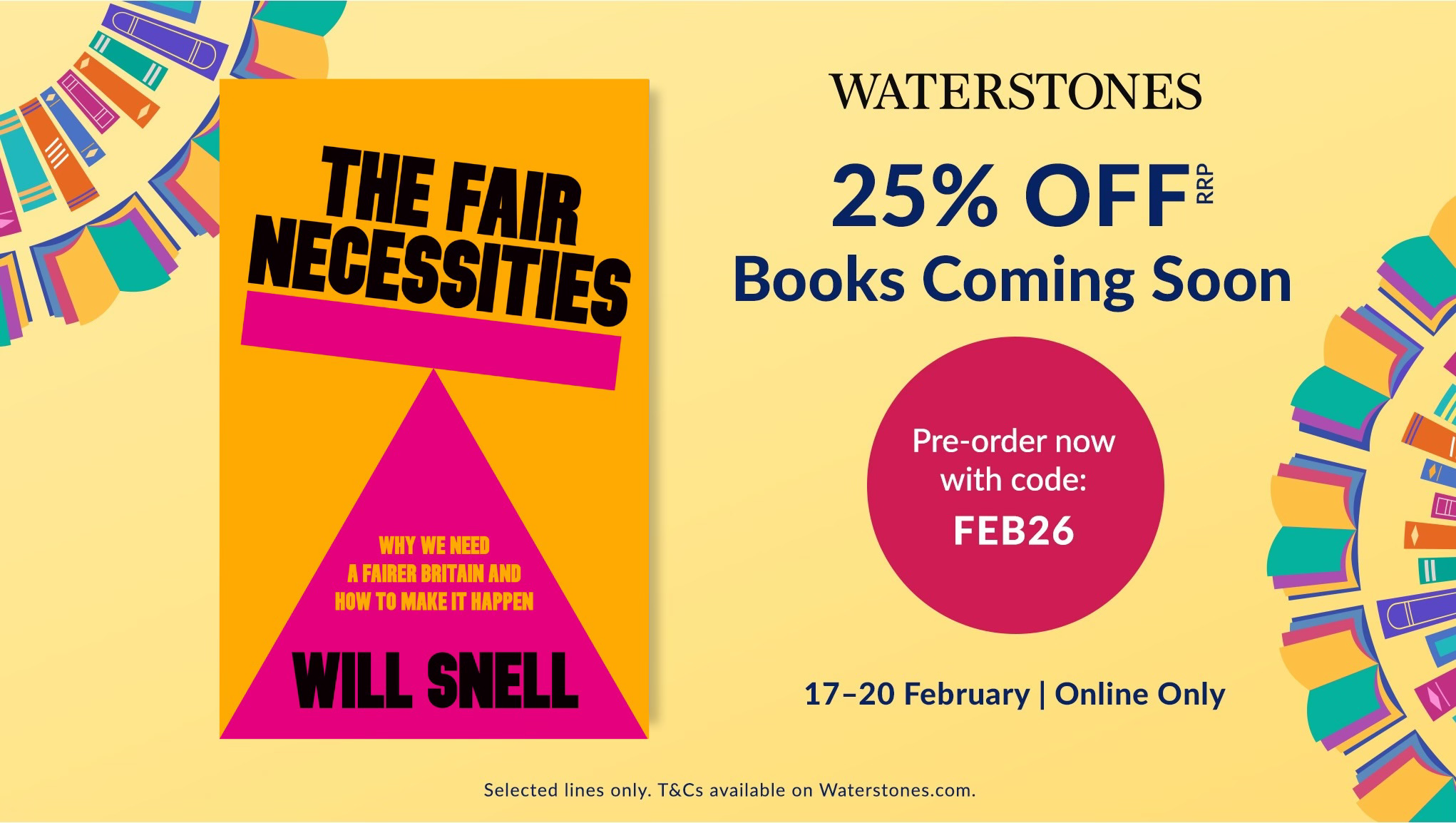
The Fair Necessities: Why We Need a Fairer Britain and How to Make It Happen
Britain is a grossly unfair country, disfigured by a broken social contract and unsustainable levels of inequality. This moral outrage presents a growing threat to our society, economy and democracy.
The Fair Necessities argues that unfair inequality undermines everything from faith in government to economic growth, yet a fairer country is within reach. Drawing on cutting-edge research and interviews with public figures, including including Vince Cable, Polly Toynbee and Liam Byrne, it sets out the moral, political and policy cases for tackling inequality and explains how to build a broad, cross-party consensus for a fairer society. Engaging, evidence-rich and ultimately hopeful, it offers the vision — and the practical roadmap — needed to rebuild Britain on fairer foundations.
"Deft, clever, terse and precisely targeted. Will Snell’s book takes us from cradle to grave, demonstrating how inequality can be a risk to our societies as deadly as any pandemic and that unfair societies produce very extreme dangerous politics.” Danny Dorling, University of Oxford
The interactive tables on the website are brilliant. Genuinely fascinating to see how people's backgrounds and views influence their opinions about how to make money.
https://fairnessfoundation.com/making-or-taking